
Map of Mesolithic Sites in India
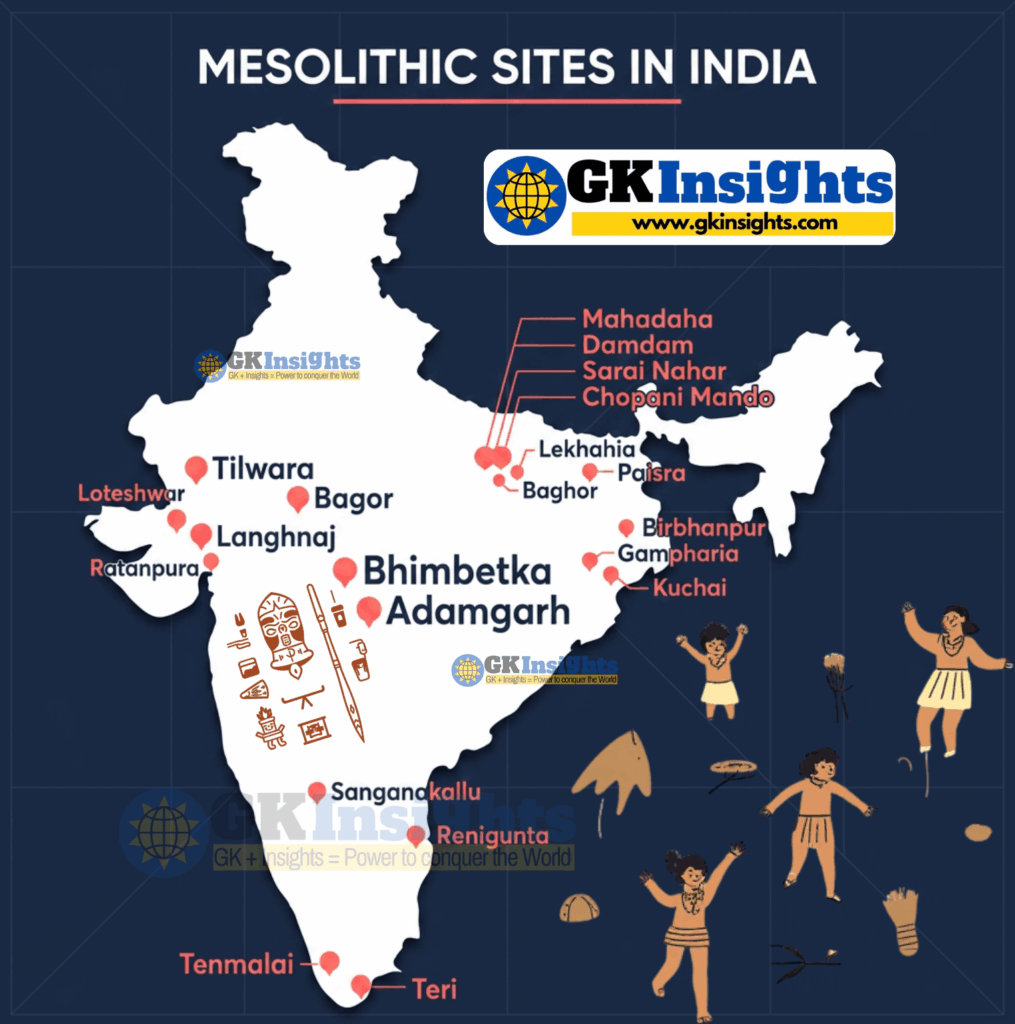
Division of Ancient Indian History
History of Ancient India has been divided by the historians into 3 periods:
– Pre-Historic Period (2 Million BC – 2,500 BC)
– Proto-Historic Period (2,500 BC – 600 BC)
– Historical Period (600 BC Onwards)
Pre-Historic Period is further sub-divided into 3 Ages:
– Palaeolithic Age
– Mesolithic Age
– Neolithic Age
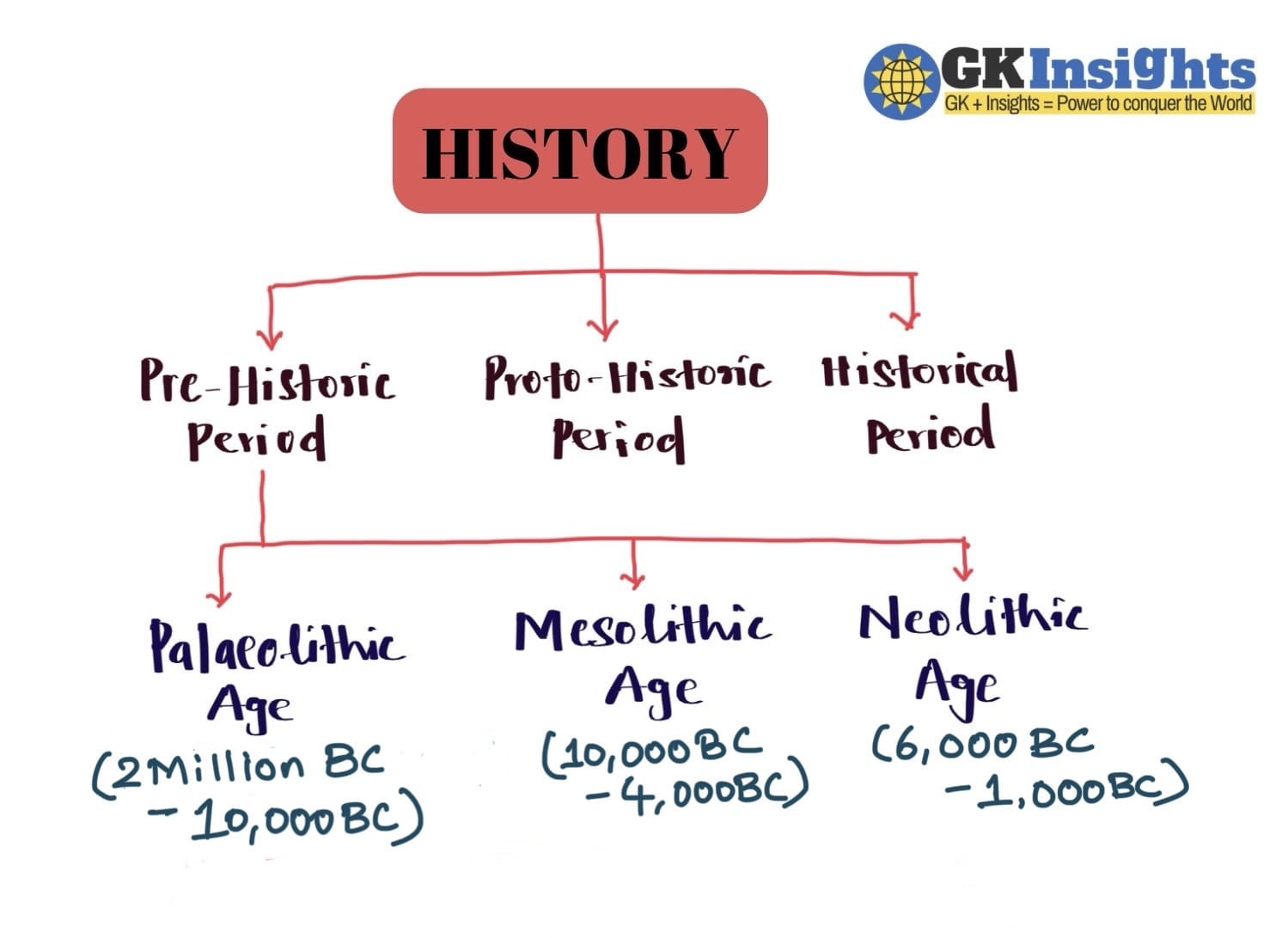
List of Mesolithic Sites in India
Evidences of Mesolithic Sites are found in various parts of India as following:
- Bagor (Rajasthan)
- Tilwara (Rajasthan)
- Langhnaj (Gujarat)
- Adamgarh (Madhya Pradesh)
- Bhimbetka (Madhya Pradesh)
- Chopani Mando (Uttar Pradesh)
- Sarai Nahar Rai (Uttar Pradesh)
- Mahadaha (Uttar Pradesh)
- Damdama (Uttar Pradesh)
- Birbhanpur (West Bengal)
- Sanganakallu (Karnataka)
- Teri (Tamil Nadu)
Details of some Major Mesolithic Sites in India
Bagor (Rajasthan)
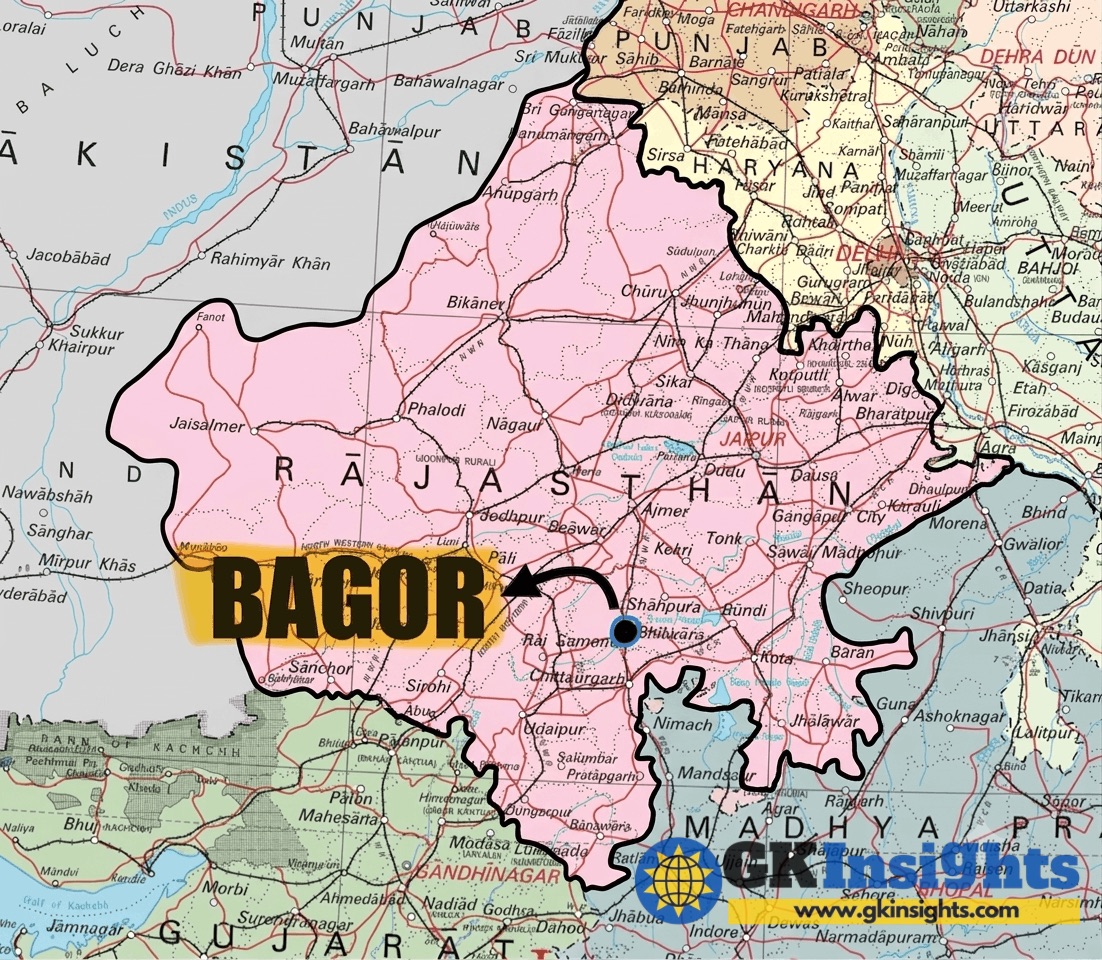
– Location: Situated on the banks of the Kothari River, in Bhilwara district, Rajasthan.
– Significance: Considered the largest and one of the most extensively excavated Mesolithic sites in India.
– Findings: Large quantities of microliths along with evidence of animal domestication, indicating a gradual shift toward a pastoral way of life
Langhnaj (Gujarat)
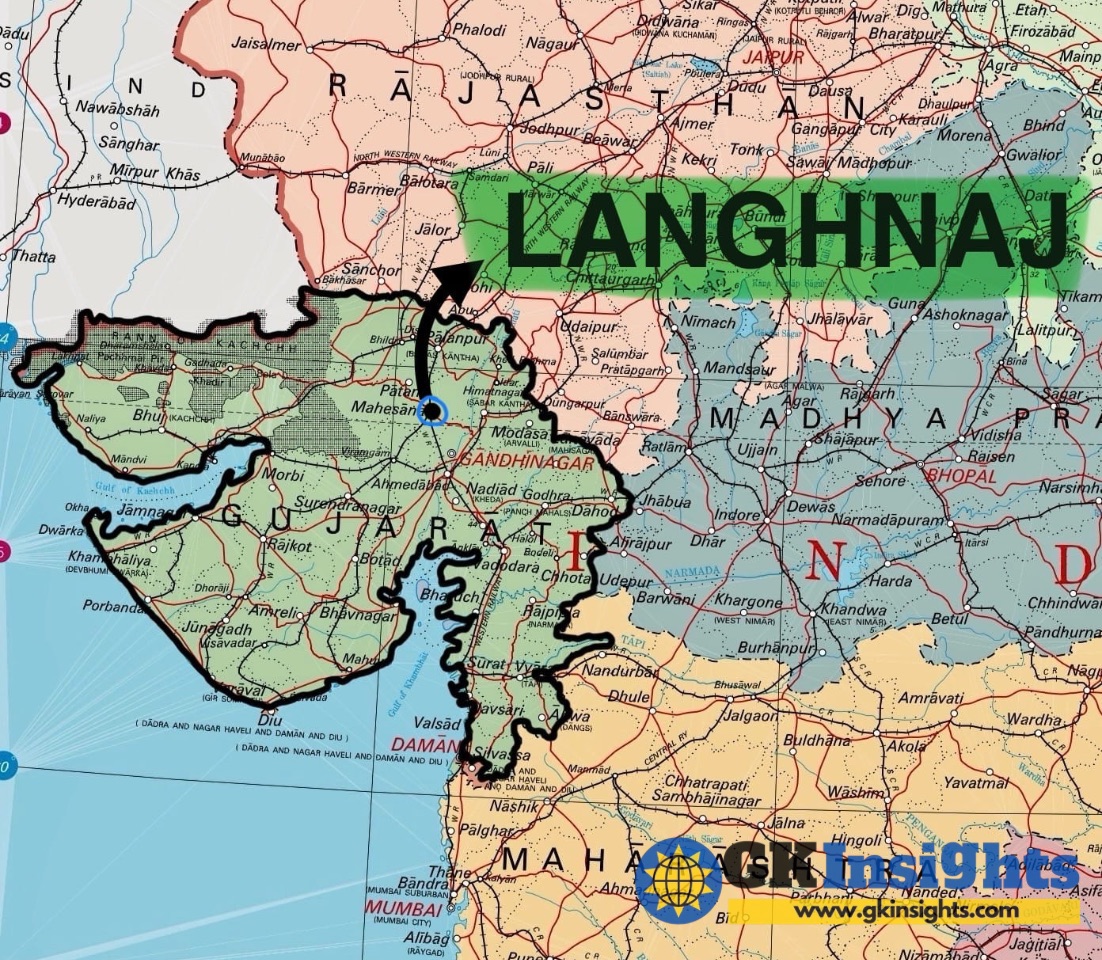
– Location: Located in Mehsana district, Gujarat.
– Significance: Famous for well-preserved human skeletal remains, making it one of the most studied Mesolithic sites in Western India.
– Findings: Numerous microlithic tools, evidence of hunting (including deer), and identified burial practices.
Bhimbetka (Madhya Pradesh)
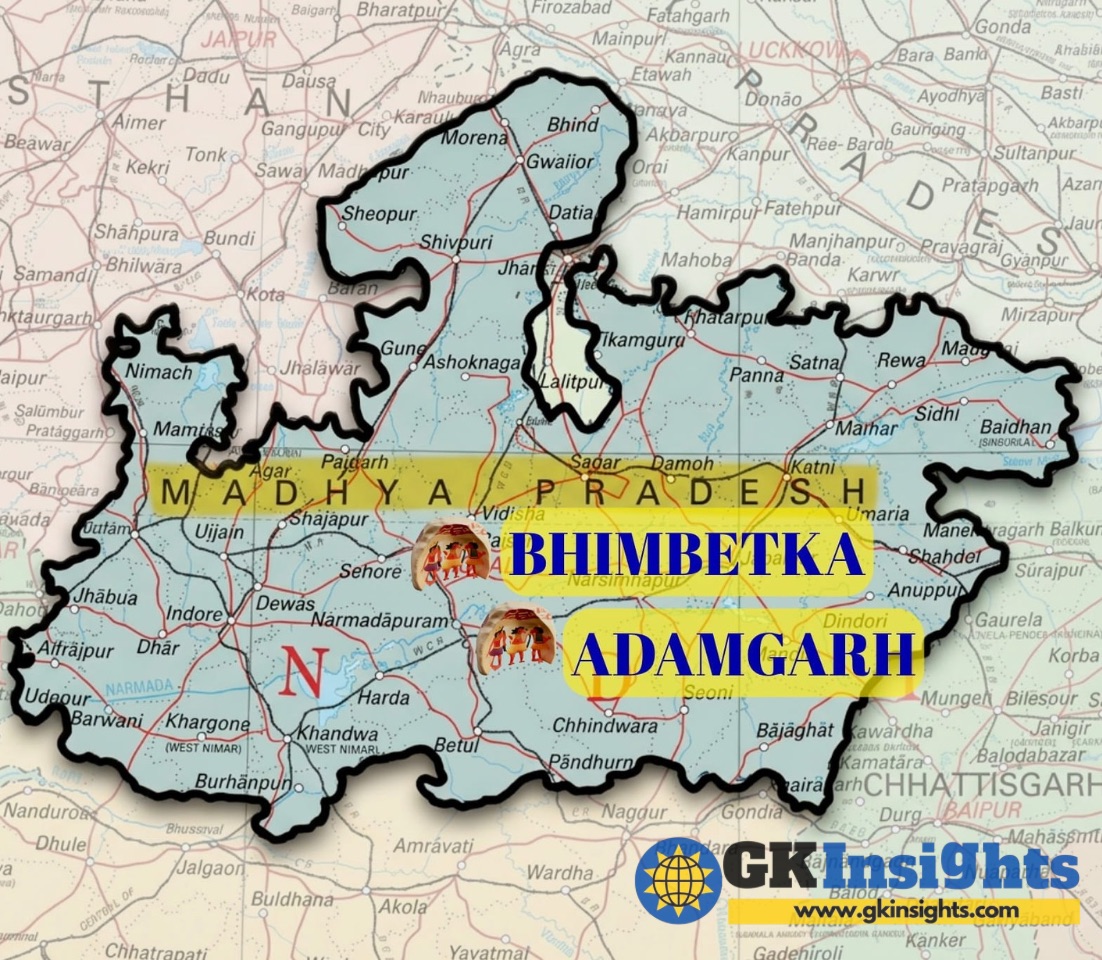
– Location: Bhimbetka (Madhya Pradesh)- Location: Raisen district, Madhya Pradesh, about 45 km south of Bhopal in the Vindhya Hills.
– Significance: A UNESCO World Heritage Site with nearly 700 rock shelters showing continuous human occupation from the Palaeolithic through historic times.
– Findings: One of the most important centres of Mesolithic rock art, depicting hunting scenes and daily life.
Adamgarh (Madhya Pradesh)
– Location: Near Hoshangabad/Narmadapuram, on the southern bank of the Narmada River, Madhya Pradesh.
– Significance: An important Mesolithic rock-shelter site with prehistoric paintings and evidence of early animal domestication.
– Findings: Lower Palaeolithic tools, Mesolithic microliths, animal bones, and rock art in red, white, yellow, and green.
Teri (Tamil Nadu)
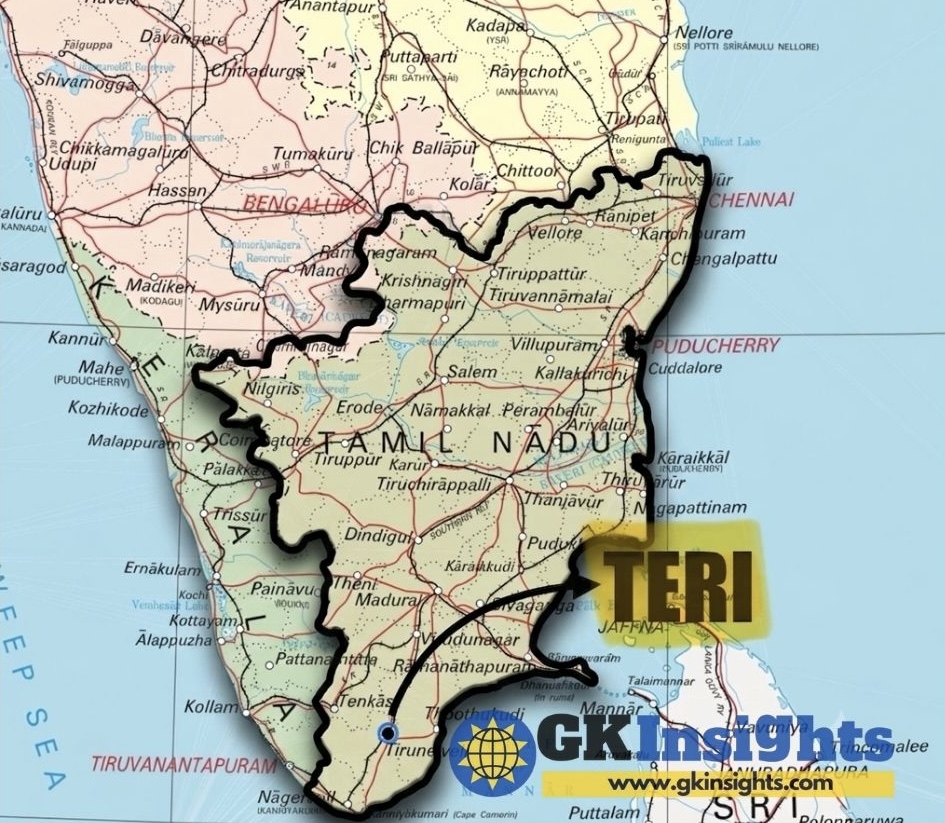
– Location: Red sand dune regions of Tirunelveli/Thoothukudi district, Tamil Nadu.
– Significance: Mesolithic sites associated with the distinctive teri or red sand dune landscape of southeastern Tamil Nadu.
– Findings: Mesolithic remains and microlithic tools, with the sites linked to dune deposits and prehistoric habitation.
Most Mesolithic sites in India cluster along river valleys such as the Kothari, Luni, Belan, Ganga, Damodar since rivers provided both water and raw material for tool-making. This information on Mesolithic Age, sites, along with the map, is useful not only for UPSC preparation but also for other competitive exams and academic study of Indian prehistory, geography, and archaeology.
Also Check:
– Rivers in India – Map
– Archaeological Survey of India Website [External]
– Mountain Ranges in India – Map
– 11 Palaeolithic Sites in India – Map and List